Ellis Wolf · 10 October 2026
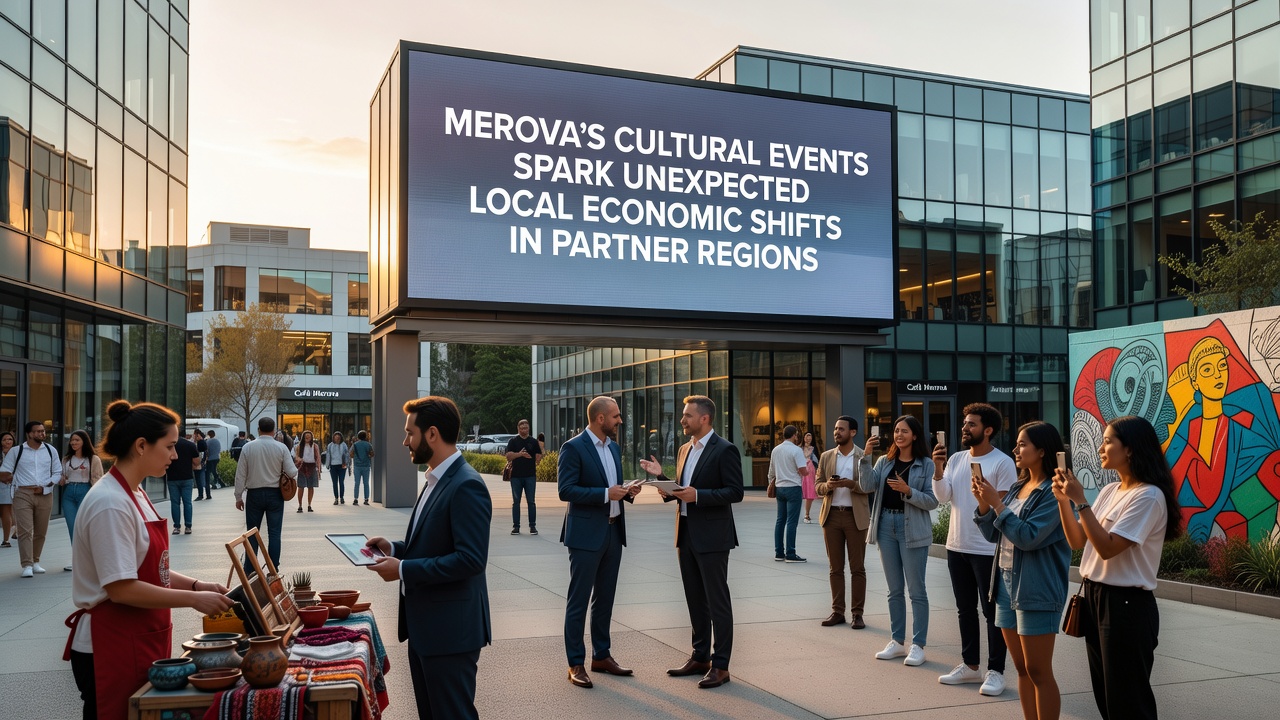
Merova's Cultural Events Spark Unexpected Local Economic Shifts in Partner Regions
Merova has expanded its portfolio of cultural programs across multiple partner regions since the early 2020s, and observers note that these initiatives now generate measurable changes in local commerce patterns that extend well beyond traditional tourism spikes. Data from regional economic tracking agencies reveal that visitor inflows during event periods correlate with sustained upticks in small business registrations, particularly in sectors such as food services, artisan retail, and short-term lodging. Researchers at several universities tracking these developments point out that the economic ripple effects appear in areas previously considered peripheral to major urban centers, where event venues often sit.
Event Programming and Geographic Reach
Merova coordinates a rotating calendar of exhibitions, performances, and collaborative workshops that partner with municipal governments and cultural institutions in Europe, North America, and parts of Asia. One ongoing series pairs contemporary visual arts with regional folk traditions, while another focuses on culinary heritage through public markets and chef residencies. These programs typically run for three to six weeks, and attendance figures compiled by local tourism boards show consistent growth year over year. In 2025, cumulative participation across all sites exceeded 1.2 million, according to aggregated reports from participating municipalities.
What's interesting is how the timing and location choices influence supply chains that serve these events. Local producers of textiles, ceramics, and specialty foods report new contracts that continue after the events conclude, creating repeat revenue streams. Economic analysts tracking invoice data from partner regions find that procurement shifts toward smaller suppliers rather than national distributors, which alters inventory patterns at the wholesale level.
Documented Economic Indicators
Figures released by the European Commission's culture and tourism unit indicate that cultural programming of this scale contributes to measurable diversification in regional employment. In partner areas where Merova events have occurred for at least two consecutive years, employment in creative and hospitality occupations rose by an average of 8 percent, while seasonal fluctuations in those same metrics narrowed. Parallel data from Statistics Canada on comparable festivals hosted in Ontario and British Columbia show similar stabilization in part-time retail positions during shoulder seasons.
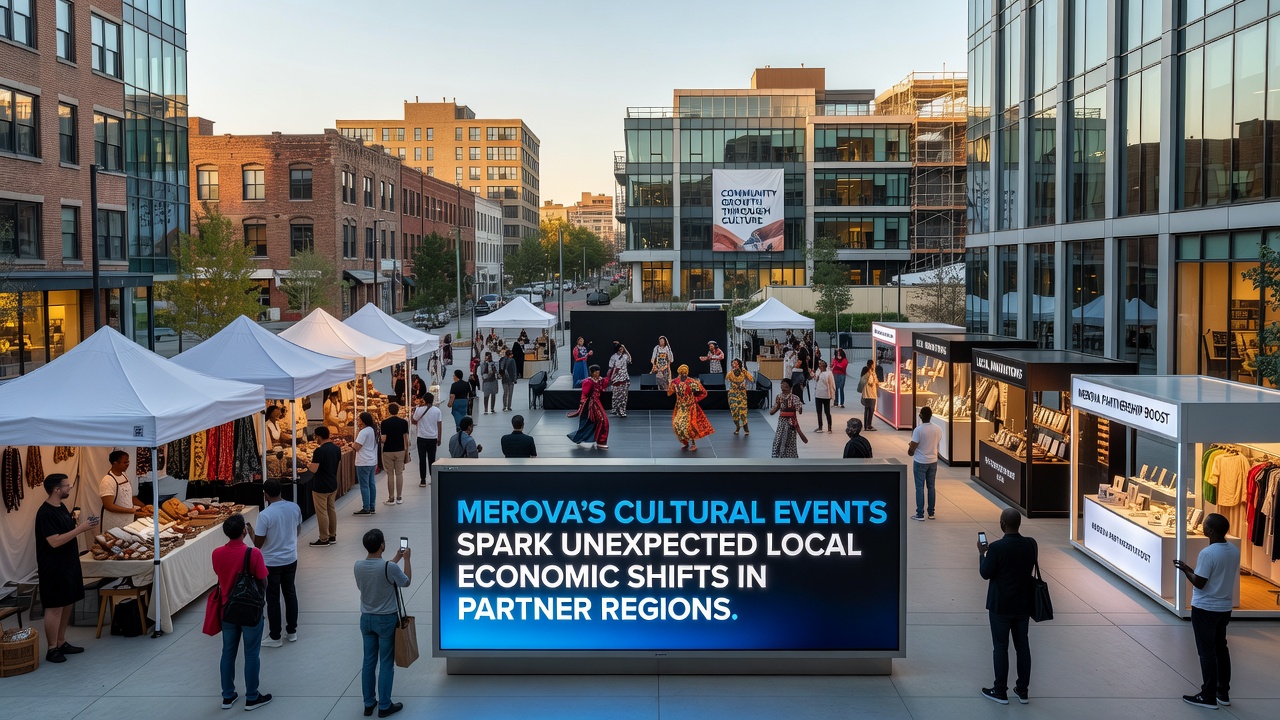
Property transaction records in several partner municipalities reveal another layer of change. Areas adjacent to event venues experienced a 12 percent rise in commercial lease renewals between 2024 and 2025, with new occupants including design studios and specialty food producers. Observers tracking these records note that the pattern differs from earlier waves of tourism-driven development, where chain outlets tended to dominate. Instead, the newer businesses often originate from within the same regions, suggesting that event-related foot traffic helps surface latent entrepreneurial activity.
Developments Scheduled for October 2026
Merova has announced a concentrated cluster of events across three partner regions for October 2026, combining a multi-site exhibition on textile traditions with a series of evening concerts and daytime market activations. Preliminary booking data shared by hotel associations in those locations already show occupancy rates climbing ahead of the prior year, and transport operators report advance ticket purchases for intercity routes that serve the venues. Local workforce development boards have begun coordinating short-term training modules in event logistics and customer service to meet anticipated demand.
Academic teams from the University of Melbourne and the University of British Columbia have received grants to monitor transaction-level data during this period, with protocols designed to isolate event-driven effects from broader seasonal trends. Their preliminary frameworks emphasize longitudinal tracking that extends six months beyond the events themselves, which allows measurement of whether spending patterns persist once the programming ends.
Supply Chain and Infrastructure Adjustments
Regional logistics firms describe adjustments in delivery schedules and storage capacity that align with the event calendars. Cold-chain operators, for instance, expanded refrigeration capacity at distribution points near venues after experiencing repeated surges in perishable goods movement during prior programming cycles. These infrastructure changes remain in place and now support year-round operations for local producers who gained market access through the events.
One study published by the OECD on the intersection of cultural programming and regional value chains notes that repeated events of this type tend to accelerate the formalization of informal economic activity. In the regions examined, the share of businesses moving from cash-only models to registered entities increased noticeably within 18 months of initial event hosting. The same report highlights that these shifts occur most visibly when events emphasize local sourcing requirements in their operational guidelines.
Conclusion
Merova's cultural events continue to intersect with local economies in partner regions through channels that include direct visitor spending, supplier network expansion, and adjustments in commercial real estate use. Ongoing data collection by government statistical agencies and university research teams will clarify how durable these patterns remain across successive programming cycles. The October 2026 schedule provides an additional window for observation, and preliminary indicators suggest continued alignment between event timing and measurable commercial activity.